

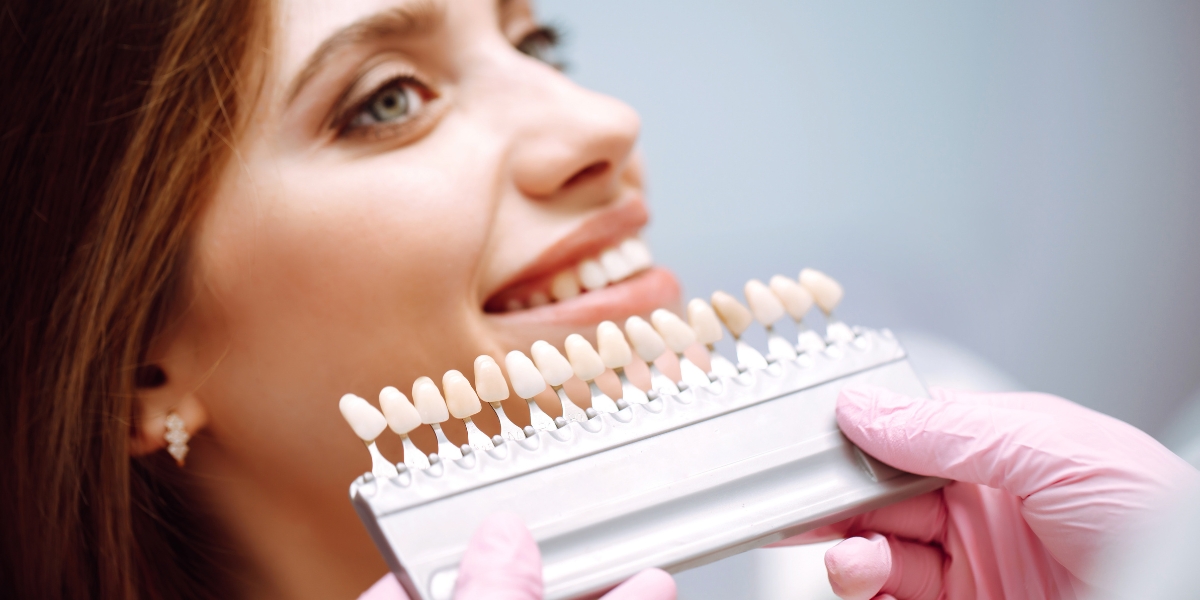
A beautiful smile can make a lasting impression, which is one reason dental veneers have become such a popular cosmetic treatment. Veneers can improve the appearance of stained, chipped, uneven, or worn teeth, helping patients achieve a more confident smile. However, many people believe that once a veneer is placed, the tooth underneath is completely protected from future dental problems.
That isn’t always the case. While veneers cover the visible front portion of a tooth, the natural tooth structure remains underneath. Because of this, tooth decay can still occur if proper oral care is not maintained.
How Veneers Improve a Smile
Veneers are thin restorations that are bonded to the front surface of teeth to enhance their appearance. They are carefully designed to blend with surrounding teeth, creating a natural-looking result. Whether made from porcelain or composite materials, veneers are known for their durability and aesthetic appeal.
Patients interested in veneers Hollywood treatments often choose them to address multiple cosmetic concerns at once. While veneers can dramatically improve the look of a smile, they do not replace healthy dental habits or eliminate the need for preventive care.
Can Decay Form Beneath a Veneer?
The short answer is yes. A veneer itself cannot develop a cavity, but the tooth supporting it can. Since veneers do not cover the entire tooth, bacteria can still reach vulnerable areas if plaque is allowed to accumulate.
Decay usually begins when harmful bacteria feed on food particles left behind in the mouth. Over time, acids produced by these bacteria can weaken tooth enamel and create areas of decay. If this occurs near the edge of a veneer, the problem may progress beneath the restoration.
What Increases the Risk?
Several everyday habits can increase the likelihood of developing decay around a veneer. Inconsistent brushing and flossing are among the biggest contributors. When plaque remains along the gumline or near the edges of the veneer, it creates an environment where bacteria can thrive.
Frequent snacking on sugary foods, sipping sweetened beverages throughout the day, and avoiding routine dental visits may also increase the risk. Even a well-placed veneer requires ongoing care to keep the supporting tooth healthy.
Signs Something May Be Wrong
A cavity under a veneer may not be obvious right away. Because the restoration covers part of the tooth, early decay can develop without noticeable symptoms. As the problem progresses, some people may experience sensitivity, mild discomfort while chewing, or changes near the margin of the veneer.
Routine examinations are important because a Hollywood dentist can often identify concerns before they become larger issues. Detecting decay early can help preserve more of the natural tooth and reduce the need for extensive treatment.
Protecting Your Veneers Starts at Home
The good news is that preventing cavities around veneers is often no different from protecting natural teeth. Small daily habits can make a significant difference over time.
To maintain a healthy smile:
- Brush thoroughly every morning and night.
- Clean between your teeth daily with floss or another recommended interdental cleaner.
- Reduce frequent exposure to sugary snacks and drinks.
- Stay hydrated to support healthy saliva production.
- Attend professional cleanings and dental checkups regularly.
- Follow any personalized recommendations provided by your dental team.
These simple steps help keep plaque under control and support long-term oral health.
What Happens If a Cavity Is Found?
Treatment depends on how much of the tooth has been affected. In some cases, your dentist may need to remove the veneer to access and repair the damaged area. Once the tooth is restored, a replacement veneer can often be placed.
When decay is addressed early, treatment is usually more conservative. Waiting too long, however, can allow the problem to spread deeper into the tooth, potentially requiring more complex restorative procedures.
A Healthy Smile Requires More Than Cosmetic Treatment
Veneers can create stunning cosmetic results, but they work best when paired with good oral health habits. The teeth supporting your veneers deserve the same attention as every other tooth in your mouth. Brushing, flossing, healthy dietary choices, and regular dental visits all play a role in protecting your smile.
Whether you are considering veneers for the first time or already enjoy the benefits of a transformed smile, maintaining your oral health remains essential. At Parker Dentistry, we are committed to helping patients enjoy beautiful, healthy smiles for years to come. Schedule an appointment today to keep your veneers and natural teeth in excellent condition.
Frequently Asked Questions
Can bacteria get underneath a veneer?
Yes. If plaque accumulates near the edges of a veneer, bacteria can affect the natural tooth structure and increase the risk of decay.
Do veneers require special maintenance?
Not usually. Regular brushing, daily flossing, and professional dental care are generally enough to keep veneers looking and functioning their best.
How can I tell if a veneer has a problem?
Sensitivity, discomfort when chewing, or visible changes near the edge of the veneer may indicate a concern. A dental evaluation can determine the cause.
Are cavities under veneers common?
They are not extremely common when patients maintain good oral hygiene and attend routine dental visits, but they can occur if preventive care is neglected.
Can a veneer be reused after cavity treatment?
In some situations, a veneer may need to be replaced after treatment. Your dentist will recommend the best option based on its condition.
How long can veneers last?
With proper care, porcelain veneers can often last well over a decade while continuing to provide natural-looking results.
