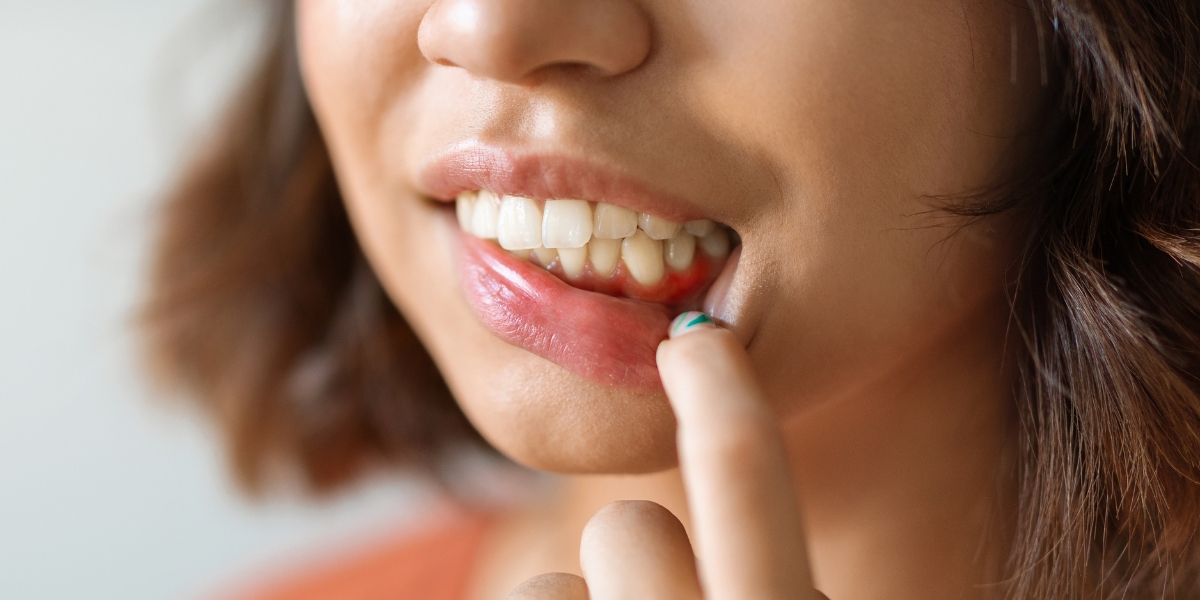


For many people, chewing gum is more than a habit—it’s a quick refresh, a way to curb cravings, or simply something to do while passing the time. But have you ever wondered if gum is actually good for your teeth? The truth is, it depends on the type of gum you choose and how often you chew it. Let’s explore how chewing gum can support—or harm—your oral health, and what you should look for when picking the right one.
Why Chewing Gum Can Be Good for Your Teeth
Chewing sugar-free gum in moderation can offer some genuine oral health benefits:
- Boosts Saliva Flow: Chewing stimulates saliva production, which helps wash away food debris, neutralize acids from plaque, and even promote remineralization of enamel.
- Reduces Plaque: The act of chewing can help loosen food particles and decrease plaque buildup, especially in areas that brushing and flossing might miss.
That’s why dentists often recommend sugar-free gum after meals—it’s like giving your mouth a quick rinse, naturally.
The Downsides of Chewing the Wrong Gum
Not all gums are created equal. Here’s where things can go wrong:
- Sugar Content: Regular gum with sugar feeds harmful bacteria in your mouth, creating acids that erode enamel and cause cavities.
- Dental Restorations at Risk: Aggressive chewing on sticky, sugary gum can loosen fillings, crowns, or other restorations.
If gum is part of your daily routine, choosing wisely makes all the difference.
Sugar-Free vs. Xylitol Gum: Which Is Better?
Here’s the breakdown of common gum options:
- Sugar-Free Gum: Safer than regular gum, but many brands use sweeteners like sorbitol, which may cause digestive issues in some people.
- Xylitol-Sweetened Gum: The gold standard. Xylitol is a natural sweetener that doesn’t just avoid feeding bacteria—it actively fights cavity-causing microbes. Dentists often recommend gum that lists xylitol as one of the main ingredients.
How to Choose the Right Gum for You
When scanning the gum aisle, pay attention to these factors:
1. Ingredients That Matter
- Sweeteners: Prioritize xylitol. If unavailable, sorbitol is usually safe in small amounts.
- Flavors: Natural flavors are often gentler, especially for sensitive teeth.
- Additives: Look for minimal artificial colors and unnecessary additives.
2. Options for Sensitive Teeth
If you have sensitive teeth, avoid strong artificial flavors like cinnamon or menthol, which can trigger discomfort. A mild xylitol-based gum may actually help ease sensitivity for some people.
How to Balance Chewing Gum with Oral Hygiene
While chewing gum can help, it should never replace brushing and flossing. Here’s how to make it part of a healthy routine:
- Brush Twice Daily: Fluoride toothpaste remains essential for plaque removal.
- Floss Once a Day: Flossing reaches the spots gum never can.
- Chew After Meals: 20 minutes of sugar-free gum after eating can help wash away acids and keep your mouth fresh.
Special Considerations: Fillings, Braces, and Medications
- Dental Fillings or Crowns: Stick to sugar-free gum and chew gently to avoid loosening dental work.
- Braces and Retainers: Gum can damage brackets and wires—ask your orthodontist before chewing.
- Medication Interactions: Some medicines don’t mix well with sugar alcohols like sorbitol. Always check labels or consult your dentist if unsure.
Debunking Common Chewing Gum Myths
- “Swallowed gum stays in your stomach for years.” False. Gum passes through your system undigested, but it doesn’t stick around forever.
- “Chewing gum is great for weight loss.” Not exactly. While it may reduce snack cravings, it’s not a substitute for healthy eating and exercise.
- “Gum alone can clean your teeth.” No. Gum can complement your routine but never replace brushing and flossing.
Dentist-Recommended Chewing Gum Brands
Here are some options that dentists often suggest:
- Xylitol-rich gums: Xylichew, Spry, Orbit with xylitol.
- For sensitive teeth: Xylo-Gum, Glee Gum, Simply Gum (natural ingredients, free of harsh additives).
- Long-lasting flavor gums: Pur Gum, Extra Sugar-Free (check labels for xylitol content).
Tip: When in doubt, pick gum that lists xylitol high on the ingredient list.
Final Thoughts
Chewing gum can be a refreshing and helpful addition to your oral care routine—if you choose the right kind. Look for sugar-free gum, prioritize xylitol, and chew in moderation to enjoy fresh breath while protecting your teeth. But remember, gum is only a complement. Brushing, flossing, and regular check-ups with your dentist in Hollywood , FL or nearby dental professional will always be the foundation of healthy teeth.
Frequently Asked Questions
Is it okay to chew gum every day?
Yes, if it’s sugar-free and preferably sweetened with xylitol. Limit chewing to about 20 minutes after meals.
How long should I chew gum after eating?
Around 20 minutes is enough to boost saliva and neutralize acids.
Can chewing gum replace brushing?
No. Gum can help between meals but cannot remove plaque the way brushing and flossing can.